Great Gatsby Chapter 2 Summary and Analysis
Explore our Great Gatsby Chapter 2 summary, covering key plot events, character actions, major themes, and essential revision notes for your literature exams.

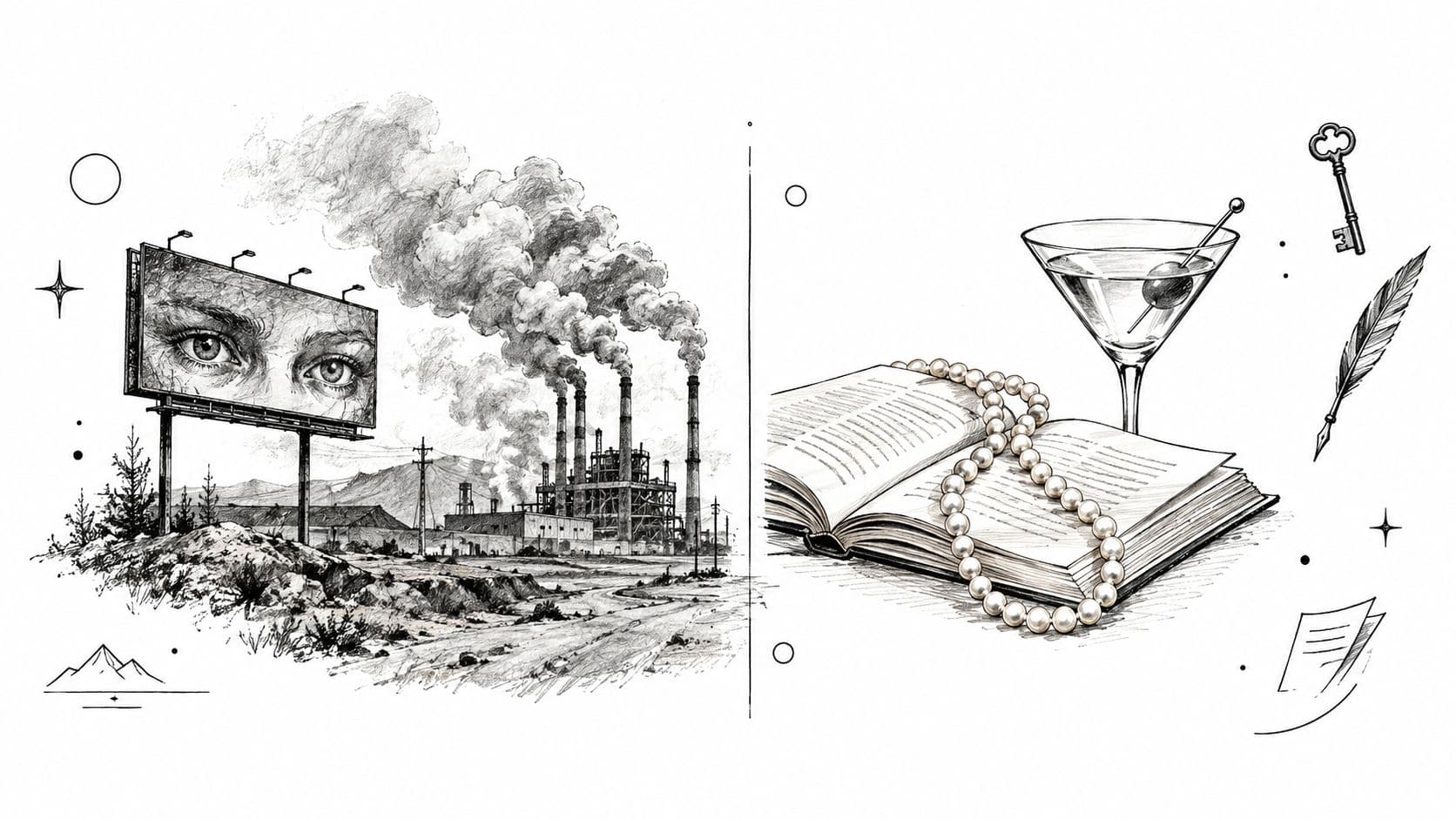
You're probably reading Chapter 2 the night before a seminar or trying to turn scattered class notes into an essay argument. A basic plot recap can tell you what happens, but it won't fully explain why Fitzgerald moves Nick from a wealthy suburb to a wasteland and then into a drunken Manhattan apartment. This Great Gatsby Chapter 2 summary and analysis follows the action while focusing on two questions students often overlook: how geography exposes economic inequality, and whether Nick is really the objective narrator he claims to be.
Setting the Scene in the Valley of Ashes
Chapter 2 begins far from the glamour associated with Gatsby's parties and the wealthy Long Island communities. Fitzgerald places Nick and Tom Buchanan in the Valley of Ashes, an industrial wasteland between West Egg and New York City. The chapter's two linked locations, the Valley of Ashes and Tom's Manhattan apartment, create its sharp social contrast, as outlined in this historical overview of Chapter 2 (opens in a new tab).
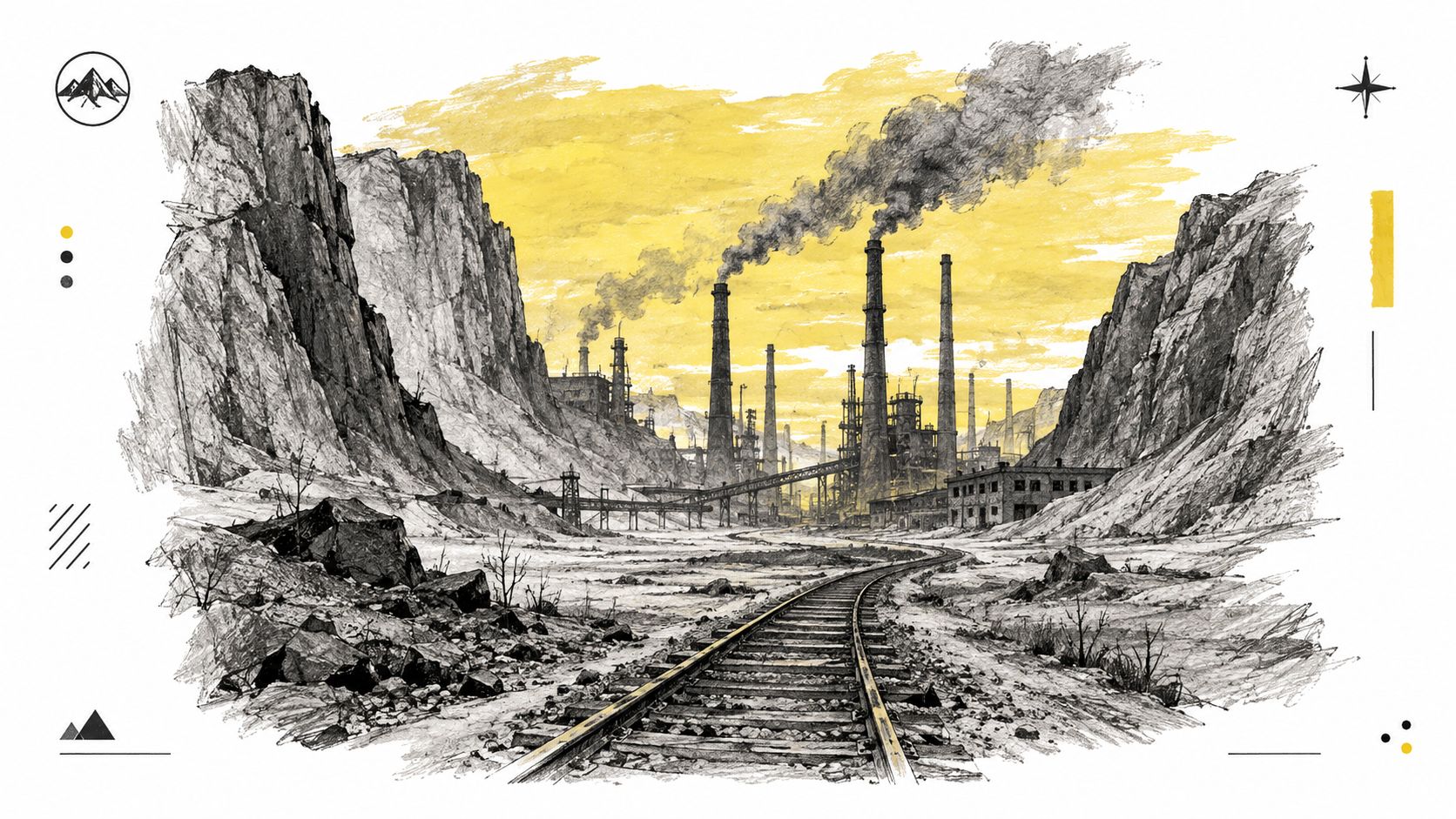
The Valley isn't just an ugly place Nick passes through on the train. Fitzgerald presents it as a terrain formed by the waste of the city, a grey and barren region shaped by industrial activity. Its position matters. It lies between the wealthy districts and Manhattan, so the route from privilege to pleasure passes directly through poverty and labor.
Tom deliberately persuades Nick to leave the train near George Wilson's automobile garage. George works in a failing business, surrounded by the same ash-covered environment that defines the Valley. His economic position contrasts with Tom's freedom, confidence, and ability to travel between social worlds without being permanently marked by either one.
Myrtle's first appearance
At the garage, Nick meets Myrtle Wilson, George's wife and Tom's married mistress. Myrtle immediately introduces a different kind of energy into the grey setting. She is dissatisfied with her marriage and social position, and Tom uses that dissatisfaction to maintain a relationship that gives him access to excitement without requiring commitment.
The movement away from the garage is important because Tom doesn't remain in the world where Myrtle lives. He takes her and Nick toward Manhattan, crossing from industrial poverty into urban consumption. That journey compresses the chapter's central conflict into a physical route.
Study insight: Fitzgerald makes the characters travel through the social system they usually try to ignore. The Valley of Ashes is the hidden middle ground connecting wealth, labor, waste, and desire.
By the time the group reaches Tom's apartment, the setting has changed completely. The grey scenery gives way to alcohol, gossip, music, and self-invention. Yet the earlier environment remains morally present. Myrtle's party doesn't erase her economic circumstances. Instead, it shows how desperately she wants to imitate the world that excludes her.
Plot Summary and Key Character Actions
The chapter follows a clear sequence, but each event adds pressure to the next.
The journey from the garage
Tom brings Nick to the Valley of Ashes and stops at George Wilson's garage. Nick notices George as a tired, financially struggling man, while Myrtle appears more energetic and socially ambitious. Tom's control becomes visible immediately. He decides where the group goes, when they leave, and how Myrtle is displayed to Nick.
Tom arranges for Myrtle to join them in Manhattan. The trip isn't a romantic escape in any balanced sense. Tom can move Myrtle out of the garage temporarily, but he doesn't offer her a genuine change in status. He gives her access to a rented apartment and a performance of wealth.
The apartment gathering
At the Manhattan apartment, Myrtle changes her behavior. Away from George and the garage, she presents herself as someone entitled to comfort and attention. She buys or discusses consumer goods, changes clothes, and adopts a more confident manner. Her transformation shows both imagination and insecurity. She wants to become the kind of person Tom's social world appears to reward.
Myrtle invites her sister Catherine and the McKees, a couple connected to the apartment's social circle. The gathering becomes crowded and increasingly disordered. Alcohol loosens the guests' behavior, while conversation turns toward gossip, status, marriage, and Tom's relationship with Daisy.
The party doesn't create real intimacy. Instead, it produces a temporary social hierarchy. Myrtle performs sophistication, Catherine repeats sensational stories, and the McKees observe and participate in the spectacle. Tom remains at the center because his money and authority make the gathering possible.
The violent ending
The party ends when Myrtle repeatedly says Daisy Buchanan's name. Tom warns her to stop, but Myrtle continues. Tom then strikes her and breaks her nose.
This moment changes the meaning of everything that came before it. Myrtle's performance of independence collapses because Tom's power has always depended on physical and social control. He allows her to imitate his world only while she accepts the limits he imposes.
Nick's presence also matters. He drinks, remains at the party, and records the humiliation without intervening. The scene therefore isn't only about Tom's violence. It also raises questions about what it means to watch exploitation and later turn it into a polished narrative.
Why the sequence matters
The chapter moves from garage, to apartment, to violence. That progression shows how social aspiration can become entangled with exploitation. Myrtle wants access to wealth, Tom wants access to Myrtle, and Nick wants access to the experience of Tom's world. None of these desires produces equality.
The party is a miniature version of the novel's wider society. People gather around wealth, imitate its language, and compete for proximity to it. Tom's violence reveals the coercion beneath that performance.
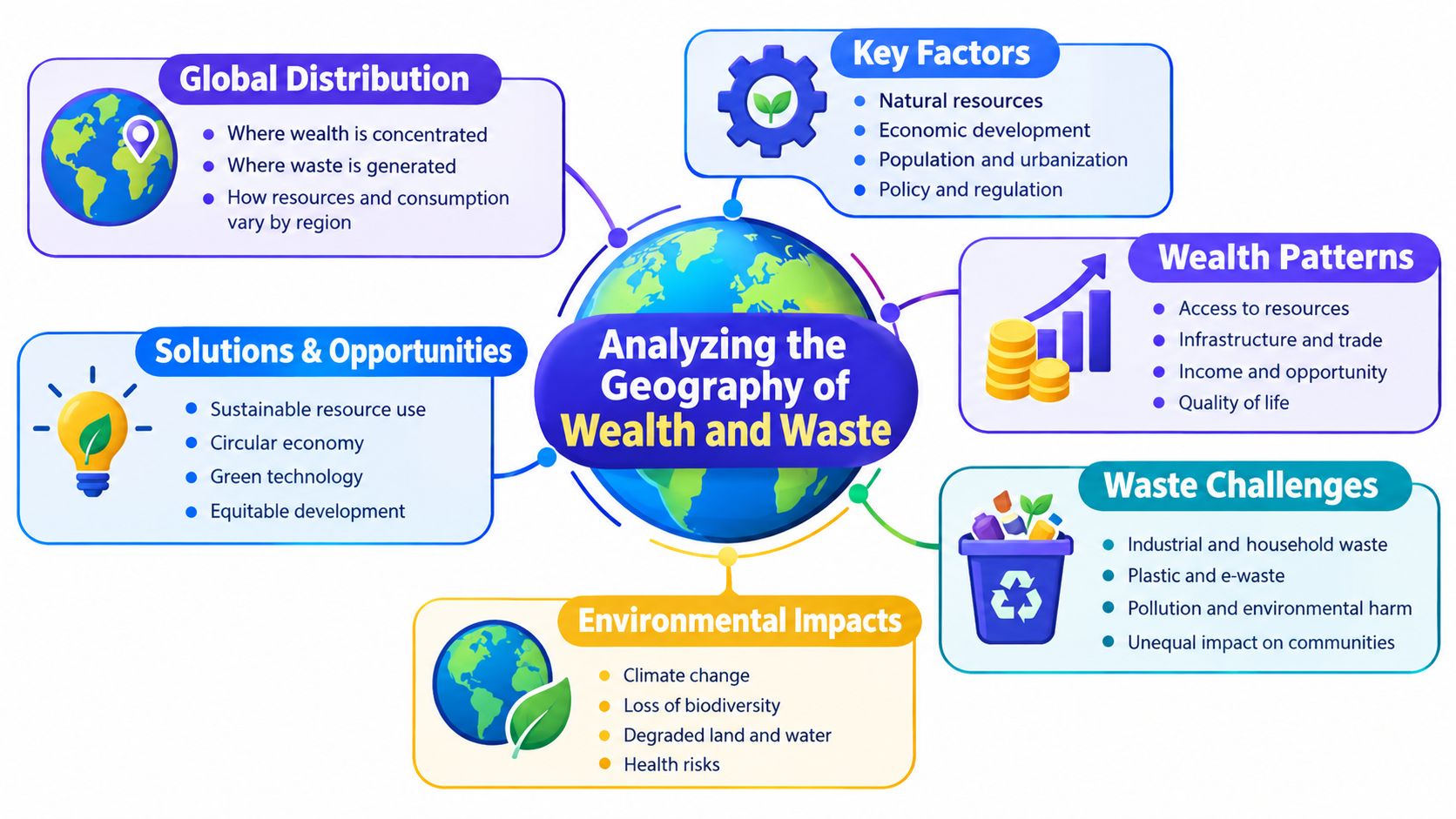
Analyzing the Geography of Wealth and Waste
The Valley of Ashes functions as a structural criticism of the American Dream. It shows that the wealthy districts and Manhattan's pleasures don't exist in isolation. Their comfort depends on systems of labor, production, and disposal that remain largely invisible to the people who benefit from them.
The SparkNotes discussion of Chapter 2 (opens in a new tab) emphasizes how the Wilsons' garage and the surrounding wasteland place George and Myrtle within the economic underside of the richer characters' lifestyle. Tom's ability to move freely between these spaces demonstrates how social power allows him to exploit others without facing equivalent consequences.
A landscape with a social function
The Valley's grey imagery does more than create a gloomy mood. The ash suggests waste, but it also suggests the people whom the wealthy world treats as disposable. George's garage serves the movement of richer people, yet George himself remains trapped in economic difficulty. His work supports mobility while he lacks the mobility Tom takes for granted.
Railway infrastructure reinforces this contrast. Trains connect communities, workers, and cities, but Nick's journey also reveals unequal access to those spaces. The train passes through the Valley, carrying people toward urban pleasure, while the residents of the Valley remain surrounded by the material consequences of that prosperity.
A strong essay shouldn't describe the Valley as merely “symbolic” and stop there. Explain the mechanism of the symbol:
- The wealthy communities represent consumption and social privilege.
- The Valley represents waste, labor, and exclusion.
- The route between them implies a material relationship.
- Tom's movement between both locations exposes unequal power.
The eyes of T. J. Eckleburg
The billboard with the enormous eyes of T. J. Eckleburg watches over the Valley. It resembles a form of judgment, but its commercial origin complicates that impression. The eyes don't provide moral guidance, and no reliable authority intervenes in the chapter's exploitation or violence.
This makes the image useful for an essay about moral emptiness. Characters live beneath a sign that looks watchful, yet the social system continues without accountability. The eyes may suggest conscience, divine observation, commercial advertising, or the human need to invent meaning in a damaged environment. Fitzgerald doesn't reduce the image to one fixed interpretation.
The Valley of Ashes connects the rich districts to the people and environments those districts conceal.
A precise analytical claim might read: Fitzgerald turns geography into economic evidence. By placing the Wilsons between wealthy Long Island and Manhattan, he suggests that prosperity and deprivation are connected rather than separate.
The apartment party then becomes the urban counterpart to the ash heaps. In the Valley, waste covers the terrain. In Manhattan, consumer goods, alcohol, gossip, and social performance conceal the waste of human relationships. The settings look different, but both reveal a society organized around unequal value.
Watch the video on YouTube (opens in a new tab)
Evaluating Nick Carraway as an Unreliable Narrator
Nick often presents himself as a careful observer, but Chapter 2 makes his position ethically uncomfortable. During the apartment party, he describes himself as both “within and without.” He is inside the gathering, drinking and benefiting from access to Tom's privileged world, while also standing outside it as a narrator who claims to judge what he sees.
That double position doesn't automatically make Nick dishonest. It does make him selective. He decides what to remember, what to describe, and how much emotional weight to give each event. His polished narration can expose Tom's cruelty, but it can also aestheticize the party and turn other people's suffering into an interesting scene.
Participation is part of the evidence
Nick isn't a detached journalist who accidentally witnesses the gathering. He remains there. He drinks. He observes the guests' behavior and narrates Myrtle's humiliation without intervening. His silence doesn't make him responsible for Tom's assault, but it does make his moral distance questionable.
The ethical issue is especially important because Nick later presents himself as someone with unusual insight into the people around him. Readers should test that self-image against his behavior:
- What does Nick gain by remaining at the party?
- Does his narration criticize Tom, or does it make Tom's world seem fascinating?
- Why does Nick describe the violence after spending so much time on social detail?
- Does his silence protect him from conflict while preserving his access?
A recent HEPI survey record (opens in a new tab) reports that a 2025 survey of 1,041 students found that students commonly used AI to explain concepts and summarize articles, while 18% had included AI-generated text directly in their work. That context makes Nick's role especially useful for study. A responsible summary shouldn't replace interpretation with a single verdict. It should give you questions that help you build your own reading from textual evidence.
Reliability isn't the same as lying
Calling Nick unreliable doesn't mean every detail he reports is false. His unreliability may come from perspective, memory, social comfort, and self-protection. He can accurately report that Tom strikes Myrtle while still presenting the surrounding party through a style that softens or organizes the horror.
For an essay, avoid writing “Nick is unreliable because he lies.” A stronger argument is that Nick's account is shaped by his desire to appear morally separate from the people whose world he enters. His phrase “within and without” captures that tension. He wants the authority of the outsider and the privileges of the insider.
Thematic Connections to the American Dream
Chapter 2 presents the American Dream as a promise of mobility that has become distorted by class power. Myrtle wants to escape the garage and experience a wealthier identity. Tom already possesses wealth, but he uses it to pursue pleasure and control rather than responsibility. Nick gains knowledge and social access by accompanying Tom, even while he disapproves of Tom's behavior.
The chapter therefore distinguishes between movement and progress. Myrtle travels from the Valley to Manhattan, but her social position doesn't change. Tom crosses the same distance effortlessly because wealth gives him choices. Nick moves between worlds as an observer, but his ability to leave the apartment doesn't erase his participation in it.
Mapping actions to themes in Chapter 2
Use the table as a planning tool, not as a substitute for quotation analysis. For each row, add a short quotation from your edition and explain how Fitzgerald's imagery, dialogue, or narrative perspective creates the thematic effect. If you're building a broader revision system, these exam study techniques can help you turn a plot outline into evidence-based essay practice.
The strongest overall argument is that Chapter 2 exposes the unequal underside of Jazz Age prosperity. The movement from the ash heaps to the apartment shows two forms of excess. One is industrial waste, the other is conspicuous consumption. Both are connected to a social order that values wealth while treating people like George and Myrtle as tools, ornaments, or disposable objects.
Essential Quotations for Exam Essays
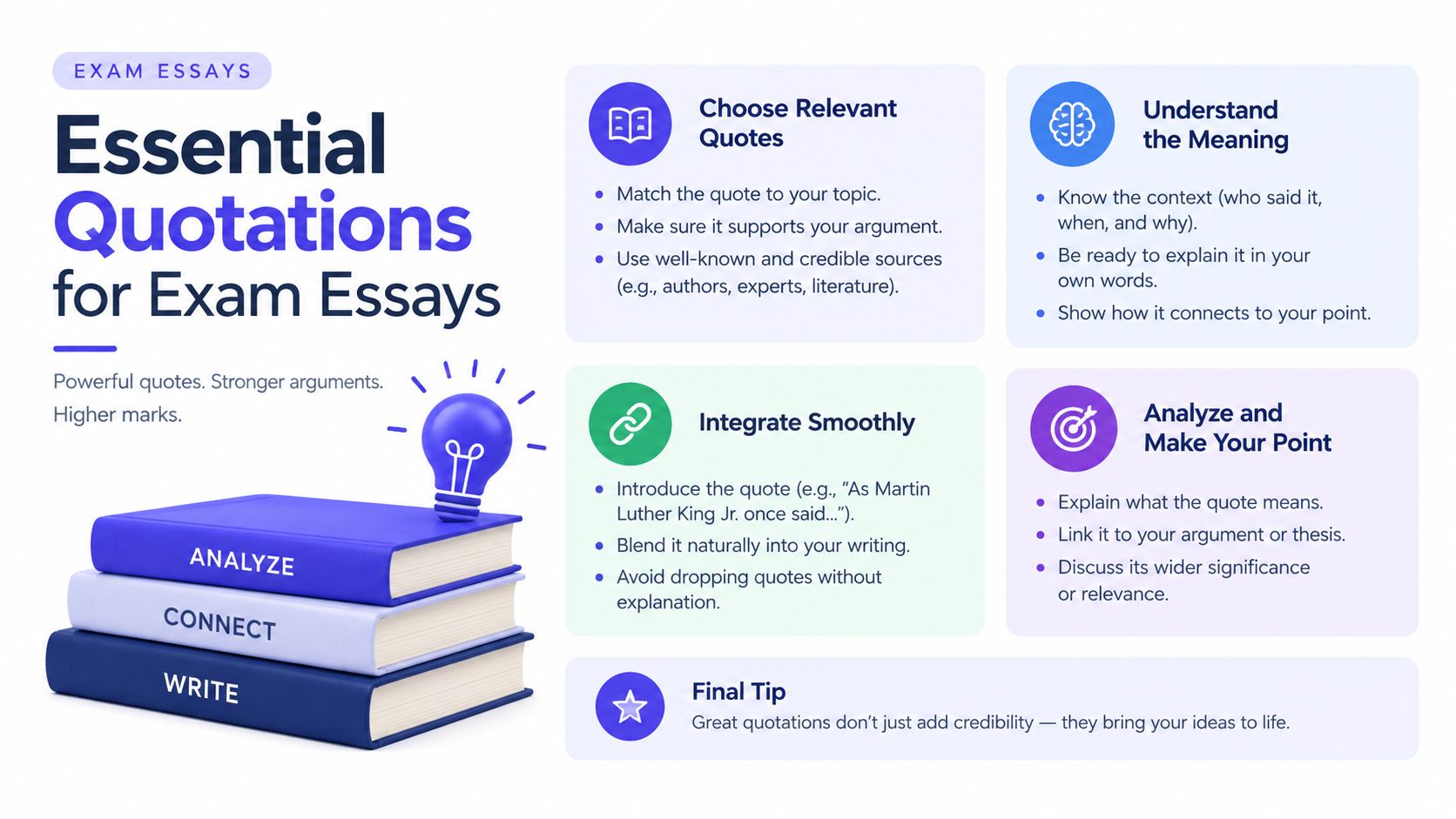
A quotation becomes useful when you explain its effect and connect it to an argument. Don't drop a line into an essay and assume its importance is obvious. Introduce the wording, identify the technique, and show how it develops Fitzgerald's criticism of class or morality.
“Within and without”
Nick's description of his position at the party is central to any argument about narrative reliability. The paired phrase suggests simultaneous participation and detachment. Use it to argue that Nick's narration contains an ethical contradiction. He can interpret the guests because he joins them, but he can preserve his self-image as an outsider because he narrates their behavior critically.
The “Valley of Ashes”
The phrase compresses the setting into a symbolic scene. “Ashes” suggests destruction and residue, while “valley” places the waste in a physical depression between wealthy communities and the city. Use the image in an essay about the American Dream, environmental inequality, or the hidden costs of consumption.
The eyes of T. J. Eckleburg
The billboard's enormous eyes create the impression of surveillance without guaranteeing justice. You can use the image to discuss the absence of moral authority in the chapter. Fitzgerald presents a society where people may be watched, but exploitation continues without meaningful consequence.
Myrtle's transformation
Myrtle's changed clothing and behavior show her attempt to perform a wealthier identity. Rather than treating the transformation as simple vanity, connect it to social exclusion. She understands that appearance can open doors, yet Tom controls the space and determines how far her performance can go.
Tom's violence
The ending is brief and direct: Tom strikes Myrtle and breaks her nose after she continues saying Daisy's name. This moment is essential evidence for an argument about patriarchal power, class privilege, or moral decay. Tom's violence isn't an accidental interruption to the party. It reveals the force behind the social arrangement that allowed the party to happen.
Quotation method: Name the speaker, identify the key word or image, then explain what the wording makes the reader notice.
Keep quotations short enough to analyze closely. A few carefully selected words can reveal more than a long passage copied without commentary. Your student study notes should record not only the quotation, but also its speaker, setting, narrative effect, and possible essay uses.
For revision, organize quotations by argument rather than by character alone. One page might cover geography and class. Another might cover Nick's narration and spectatorship. A third might connect Myrtle's performance with Tom's violence. This arrangement helps you adapt evidence to different exam questions.
Quick Revision Notes and Study Resources
If you need a rapid review of this Great Gatsby Chapter 2 summary, remember the chapter as a movement through connected spaces:
- Valley of Ashes: The industrial wasteland exposes the poverty and waste hidden beneath wealthy consumption.
- George Wilson: His garage places him within the economic underside of Tom's lifestyle.
- Myrtle Wilson: She wants access to a more luxurious identity and performs that desire in Manhattan.
- Tom Buchanan: He controls the movement, the apartment, the relationship, and finally the violence.
- Catherine and the McKees: Their presence turns the apartment into a social performance filled with gossip and spectacle.
- Nick Carraway: He participates as a guest while presenting himself as a critical observer.
- T. J. Eckleburg: The eyes suggest surveillance or judgment, but no effective moral authority intervenes.
- The ending: Tom's assault reveals the coercive power beneath the party's appearance of freedom.
Five questions to test yourself
- Why does Fitzgerald place the Valley between West Egg and Manhattan?
- How does Myrtle's behavior change in the apartment?
- What does Tom's movement between social worlds reveal about privilege?
- Why might Nick's phrase “within and without” be ethically significant?
- How does the violent ending revise your understanding of the party?
Answer each question with a claim and a quotation. If your answer only retells events, add a sentence explaining what Fitzgerald makes those events mean.
Finding useful study material
Course-specific resources can help when your own notes leave gaps, but evaluate them carefully. Look for materials that identify the exact text, module, lecture context, or assessment focus rather than relying on a broad summary of the novel. A useful guide should help you compare interpretations, locate evidence, and form an independent argument.
The free online study guides can supplement class notes when you need a second explanation of a difficult theme or a structured revision prompt. They shouldn't replace reading the chapter itself. Your strongest preparation will combine the primary text, your lecturer's terminology, and notes that explain why each quotation matters.
Final revision principle: Memorize the relationships between setting, action, and theme, not isolated plot points.
Chapter 2 is easiest to remember as a chain: wealth produces waste, waste creates exclusion, exclusion fuels aspiration, aspiration enters a space controlled by privilege, and privilege ends the performance through violence. That chain gives you a clear foundation for essays about class, the American Dream, narration, and moral responsibility.
CramShare offers course-specific lecture notes, summaries, revision guides, past papers, and exam resources organized by university, module, course code, textbook, and academic year. Use CramShare to find targeted study materials that can complement your own reading of The Great Gatsby and help you revise with evidence rather than relying on a basic plot recap.