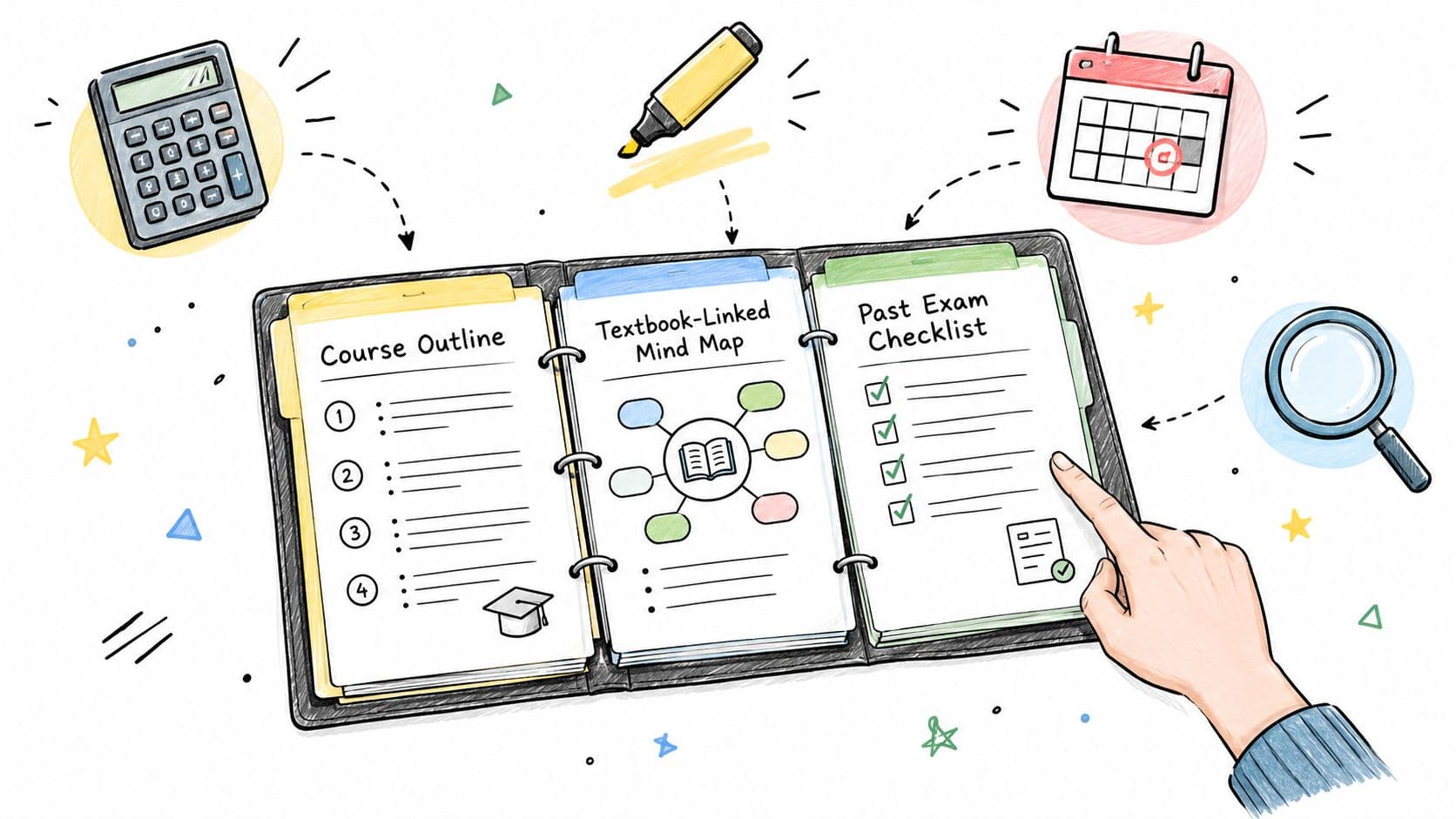
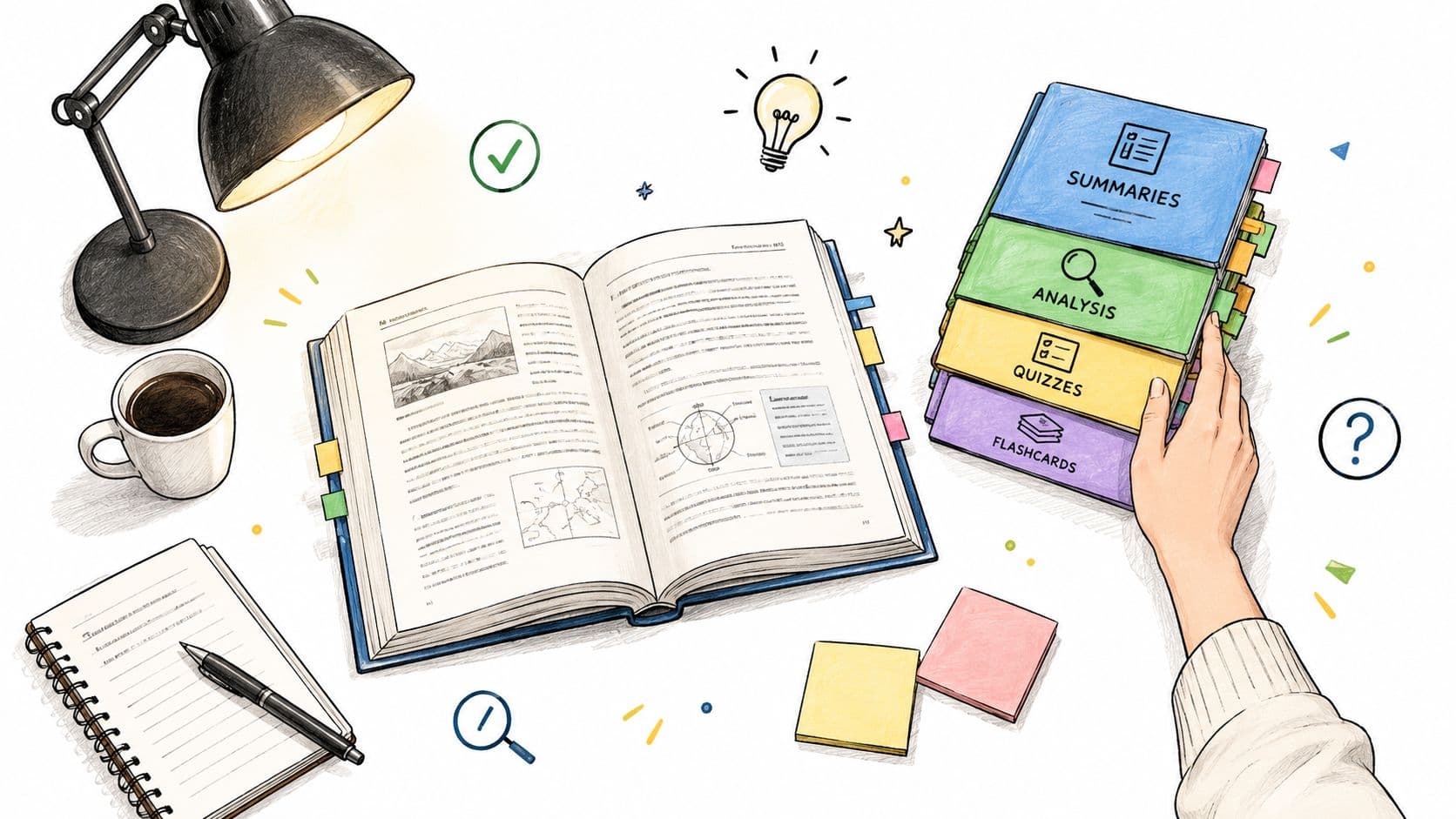
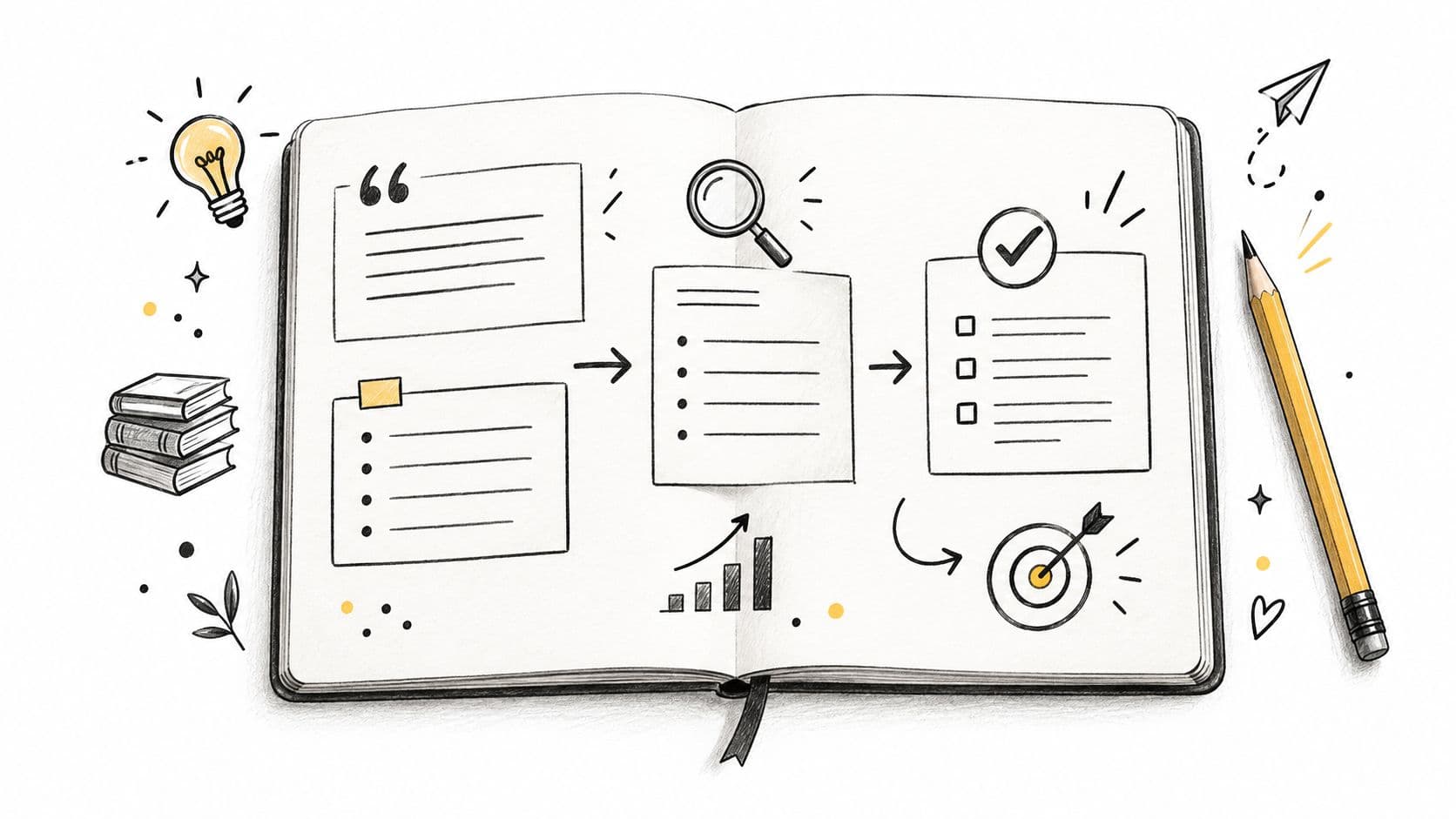
Past Papers Chemistry: The Ultimate Revision Resource
Find the best past papers chemistry resources: exam boards, mark schemes, worked solutions, and study materials.
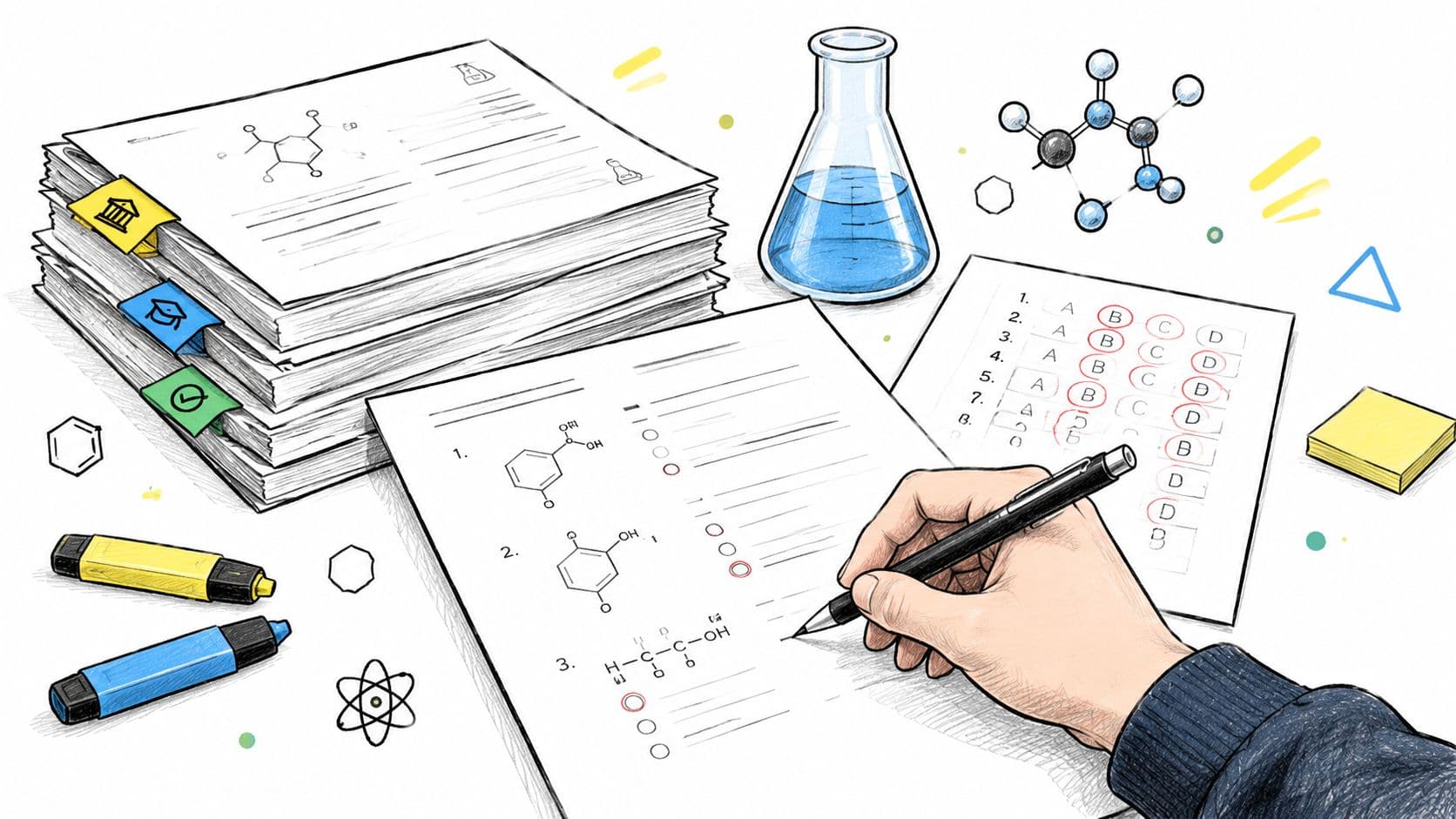
Which chemistry past papers should you use? The answer depends on your course, level, exam board, and revision goal. A full paper can show whether you're managing the timing and command words; a mark scheme can clarify how answers earn credit; and topic questions can help you work on a specific weak area after revisiting the chemistry behind it.
Start with the exam board or institution that sets your assessment. Match the qualification, syllabus or course code, and academic year before you begin. A paper that looks relevant by subject alone may use a different specification, question style, or level of detail.
The resources below are organized by the job they do, from official qualification papers to topic drills and university practice. Some provide examiner reports or worked marking guidance; others make it easier to search across topics or find course-specific materials. Access also varies: a public archive may contain only selected papers, while secure or copyrighted assessments may be restricted.
Use the right resource for the next step in your revision, not just the easiest one to download. Attempt questions without notes, mark your work against the available criteria, classify your errors, and revisit the relevant topic before trying similar questions again. That turns past papers chemistry practice into a learning cycle, rather than a stack of answer sheets.
1. CramShare
Need course-specific study materials beyond official qualification papers? CramShare lets you search by institution, course code, module, subject, and academic year. Browse the CramShare Chemistry library and check a listing against your course details before using it. Its filters can help narrow broad searches, but they do not confirm that a resource matches your current syllabus.
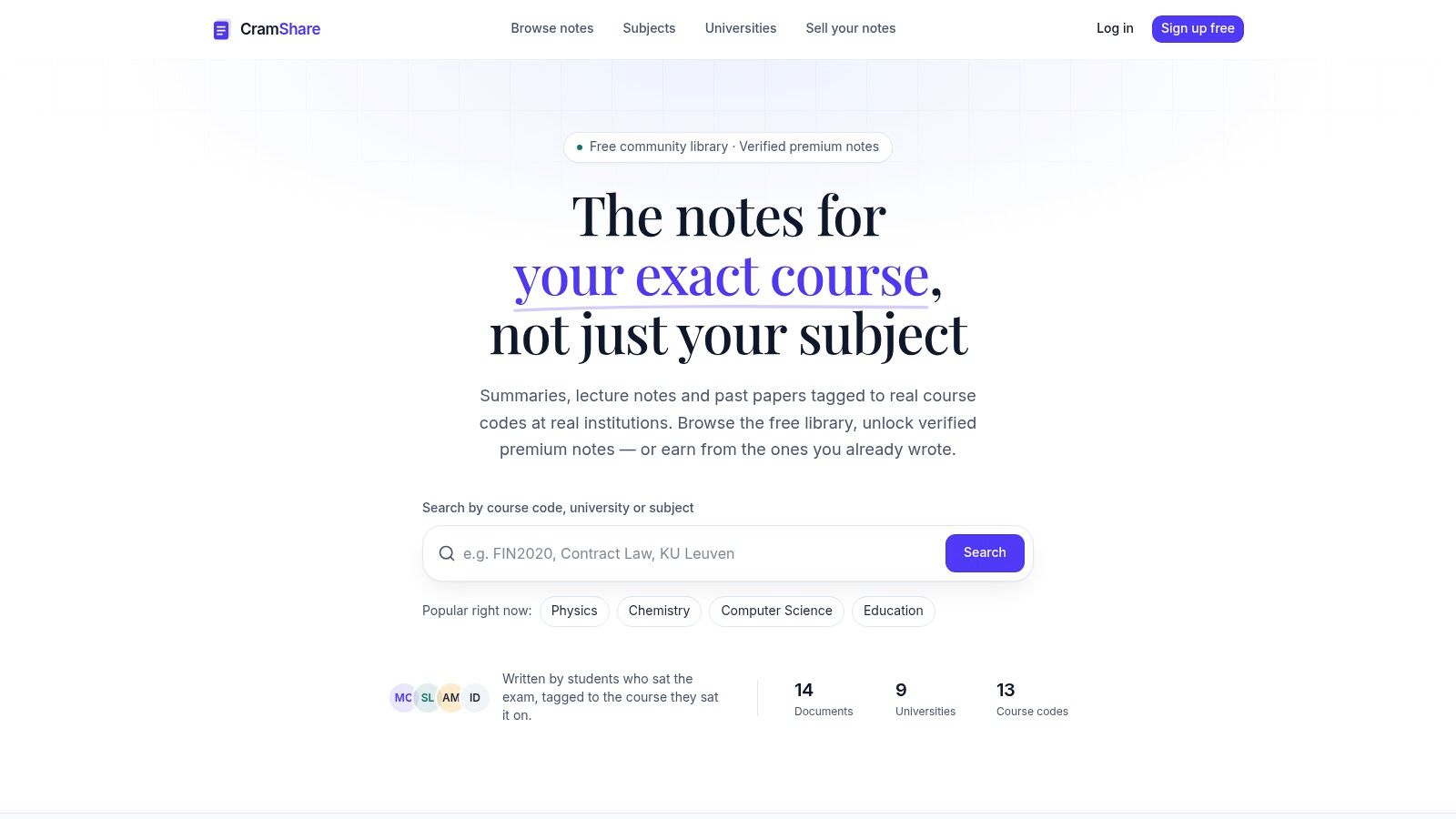
Best for course-specific discovery
CramShare combines a free community library with a marketplace for premium documents. Students can browse free materials without a card or account, and those resources have no page limits, watermarks, or daily access caps. Premium documents are reviewed for completeness, legibility, and course relevance, with previews available before opening. Eligible purchases may be refunded if a document doesn't match its listing or preview.
Coverage is the main limitation. The library is small, and CramShare reports only one customer rating, so treat each listing as a lead, not proof that the material is complete or current. Check the course code, module, academic year, and preview, then compare the content with your syllabus or instructor's guidance. For exam-board practice and marking criteria, use the awarding body's official papers and mark schemes where available.
Best way to use it
Search the exact course code shown on your course page first. Then narrow results by module and academic year. Before studying from a document, confirm its listed course details and check whether its topics match your current syllabus. A course-code match alone does not guarantee the same specification or assessment style.
CramShare isn't affiliated with or endorsed by the universities shown on the platform. Institutional names or branding in a listing do not mean the university has approved the material.
Students can publish original materials, choose whether to offer them free or paid, and retain ownership. That makes the library useful for sharing course-specific resources, but copyright still matters: upload only materials you have the legal right to distribute. Do not share restricted papers or copyrighted files without permission.
2. Cambridge International IGCSE Chemistry 0620
Need exam-style practice for Cambridge International Chemistry 0620 that matches your paper? Start with the official 0620 past-paper page (opens in a new tab). Filter by 0620, then by syllabus year and component before you download anything. That search habit solves the first revision task, which is confirming format and scope.
Use selected question papers and specimen papers for timed attempts. Then switch tasks and read the examiner reports as marking support. They show where candidates lost marks and how strict the assessment was on calculations, definitions, and extended explanations. Compare those comments directly with your own script. One short answer rewritten to meet the report will teach more than rereading notes for an hour.
Stay candid about limits. The public archive is a selection. Wider sets may sit behind registered-school access, and older papers can reflect content or question styles your syllabus no longer uses. Check syllabus version, paper number, and tier every time.
For the next task, topic drills, use the CramShare Chemistry section after you finish the official paper. Pick only listings that state 0620 explicitly and match your year. Generic chemistry files often miss Cambridge command words and practical paper demands.
Practical rule: Use the official paper for exam-style practice, then use a topic resource to revisit any syllabus area you could not answer confidently.
3. Cambridge International AS & A Level Chemistry 9701
Students taking Cambridge International AS & A Level Chemistry should use the official 9701 past-paper page (opens in a new tab). The page organizes selected question papers, specimen papers, and examiner reports around the 9701 qualification, making it a stronger starting point than a collection that labels material only as “A-level chemistry.”
Use the question papers to practise the exam format, then read the examiner reports to understand assessment expectations and common response problems. If you're deciding between AS and A Level practice, don't choose by topic name alone. Confirm that the paper and component are suitable for the level you're studying.
The access and syllabus caveat
Only selected materials are publicly available, and wider resources may require registered-school access. Older papers can also reflect syllabus content or assessment formats that have changed. Check the syllabus version and paper details before using an older paper as a guide to what your current course requires.
This is an official qualification source, not a complete revision course. It won't automatically explain every concept behind a difficult question, so use your course materials to relearn content that's missing or unclear before attempting similar questions again. Keep your practice anchored to the current 9701 syllabus rather than assuming that every archived question is equally relevant.
4. College Board AP Chemistry
For AP Chemistry, the College Board's AP Central exam page (opens in a new tab) is the clearest choice for released free-response practice. Public resources include free-response questions, scoring guidelines, sample student responses, and scoring distributions. That combination lets you practise constructing an answer and then compare your response with the published assessment materials.
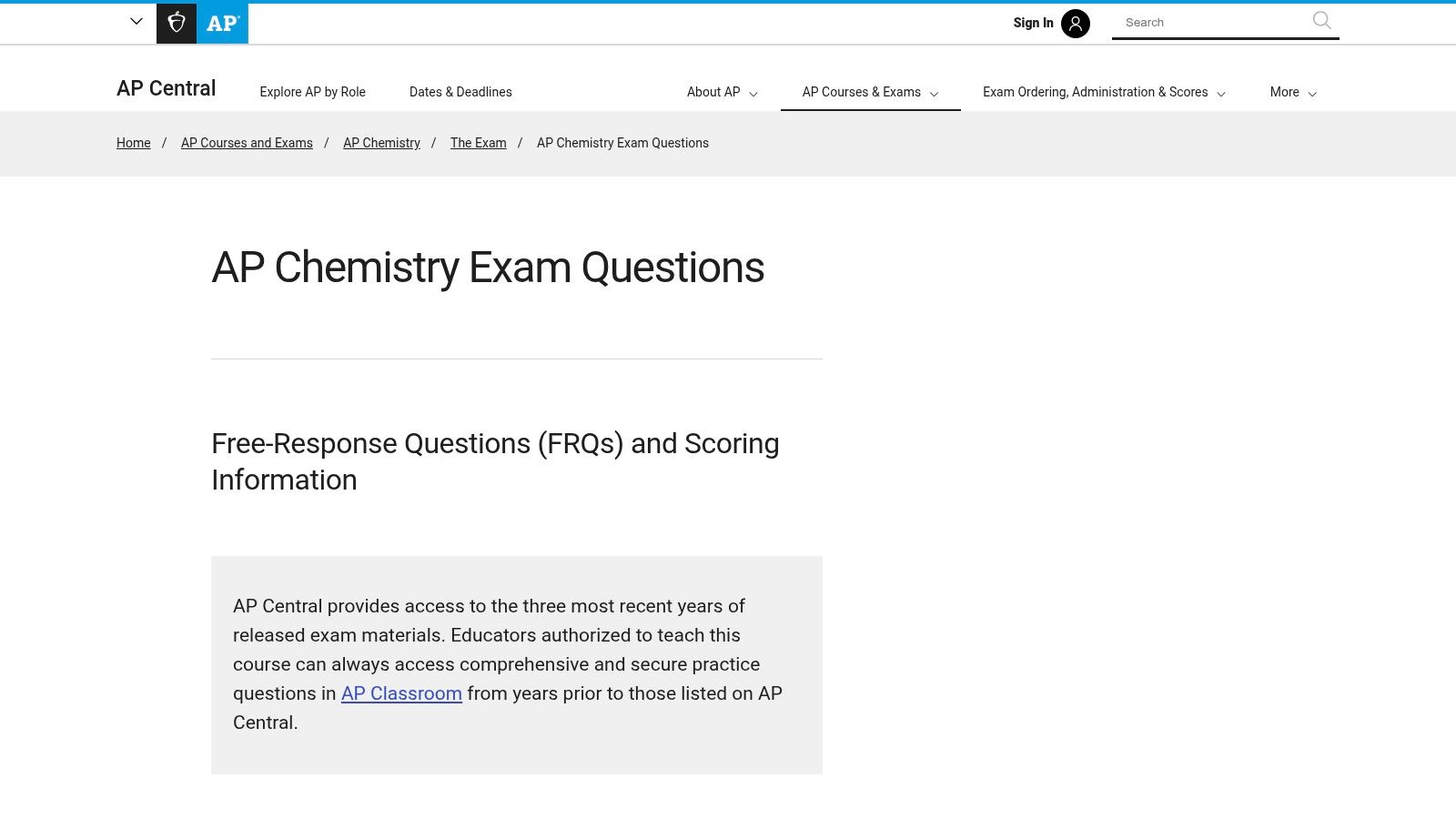
Strong for written-response review
Don't stop after checking whether your final answer is right. Compare your reasoning and explanation with the scoring guidance, and look at the sample responses to see how student work was evaluated. This is especially helpful when you understand the chemistry but aren't sure how to make your reasoning clear in an exam response.
The main limitation is the type of material available publicly. The page focuses on free-response questions rather than complete released multiple-choice exams. Earlier secure practice questions are accessed through educator-controlled AP Classroom, so students shouldn't expect the public page to provide a full archive of every exam component.
Use released questions to learn how to communicate chemistry under AP conditions. For multiple-choice practice, use materials your teacher has authorized or other legitimate practice resources, and check that they match the current AP course. Don't treat a set of free-response questions as a complete substitute for the exam.
5. AQA GCSE, AS and A-level Chemistry
AQA's past papers and mark schemes finder (opens in a new tab) lets you search official Chemistry materials by subject and exam series. It covers AQA Chemistry qualifications at GCSE, AS, and A-level, and includes question papers, mark schemes, and examiner reports. Use the finder when you need resources that match the AQA board rather than a paper from a different specification.
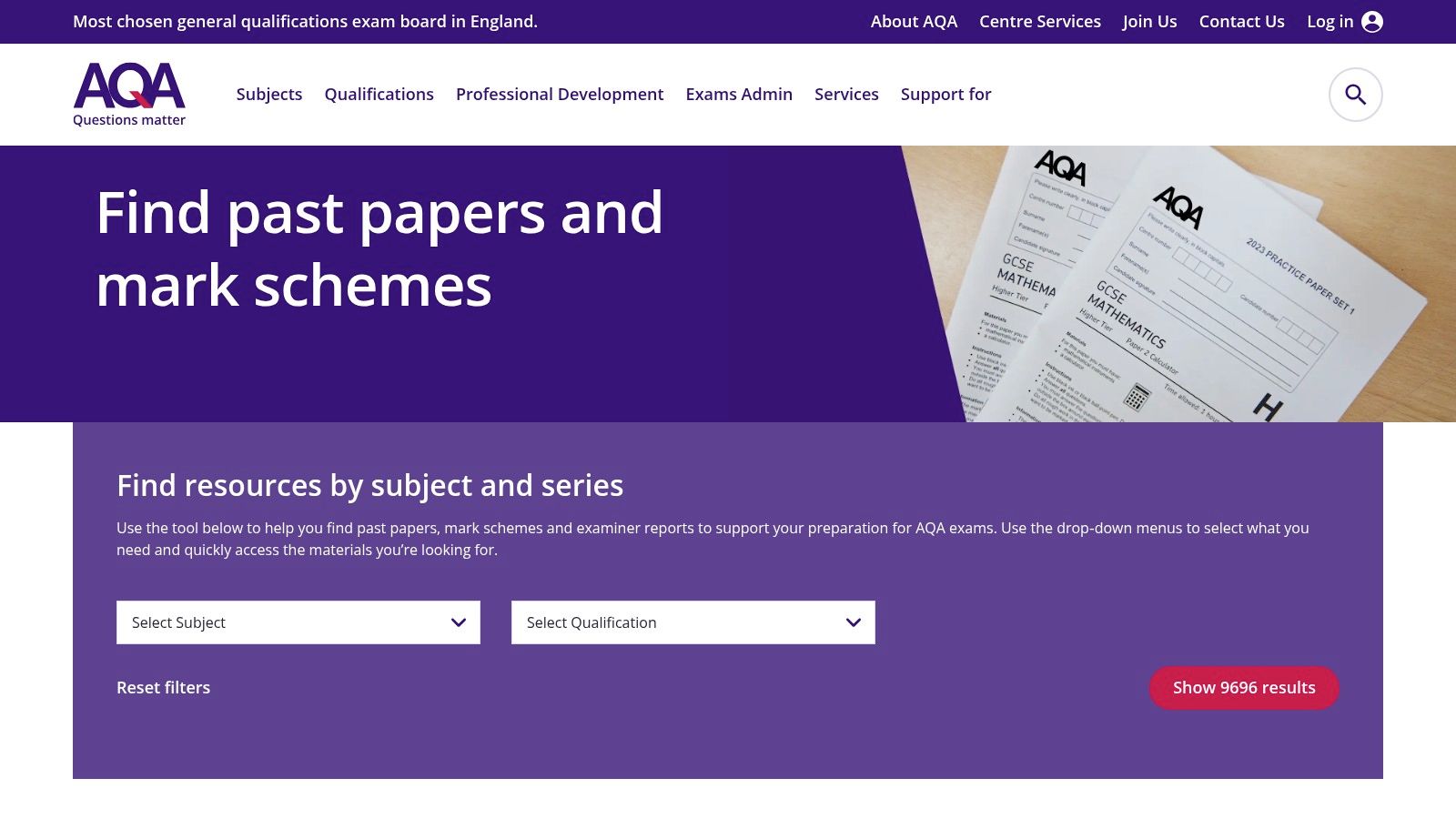
Match the paper to your specification
Search for the exact qualification and exam series, then check the specification before starting an older paper. A familiar topic title doesn't guarantee that the question belongs to your current course, and a paper from a replaced specification may test different content or formats.
The archive is useful because papers are linked with marking resources. Mark your work using the corresponding mark scheme, then read the examiner report for context where one is available. Don't use a mark scheme from a different series or qualification just because the question appears similar.
AQA's public availability has a copyright limit: most papers and mark schemes remain on the site for three years. As a result, the archive may not contain an older paper you were hoping to use, or materials for an expired specification. Stick to authorized copies and avoid redistributing copyrighted papers without permission.
6. OCR GCSE and A-level Chemistry
OCR's past-paper finder (opens in a new tab) is the official starting point for OCR Chemistry question papers, mark schemes, examiner reports, and practice materials. Search by qualification and check the relevant Chemistry qualification page as well, including the separate Chemistry A GCSE and A-level resources. That extra step helps you avoid mixing materials from courses that share a subject name but have different specifications.
Some full assessment materials are available only through Teach Cambridge. ExamBuilder and certain question-bank resources are designed for teachers, so don't assume that every OCR resource mentioned on a qualification page is openly accessible to students.
Use examiner reports to diagnose errors
A mark scheme tells you how marks are awarded; an examiner report can add useful context about responses and common errors. After marking, identify whether a lost mark came from a chemistry misconception, an incomplete explanation, an equation error, or a problem interpreting the question. Then return to the relevant topic before you try another question.
For more guidance on organizing your practice and revision resources, see CramShare's exam preparation materials. Treat third-party advice as supplementary: the current OCR specification and your teacher's instructions should determine which content and papers you use. If you're unsure whether a practice resource matches your course, verify the qualification and specification before spending revision time on it.
7. Pearson Edexcel Chemistry
Use Pearson's student past-paper area (opens in a new tab) when you need released Edexcel exam materials. The student area provides question papers and mark schemes, while qualification-specific pages can help you find resources for GCSE, A-level, and International Chemistry. Check the qualification name and paper component rather than searching only for “Edexcel chemistry.”
Watch for centre-only papers
Recent papers may be reserved for teachers at approved centres for use in mock exams, and the public range varies by qualification. If you can't find a recent paper, don't assume it's missing from a random third-party download site. It may be restricted, or the qualification may have a different set of publicly available materials.
Match each paper to your specification and exam component, then mark it with the corresponding scheme. Examiner reports, where available, can help you understand how answers are assessed; they don't replace learning the content behind an error. If your course has changed, older papers can still offer question practice, but verify that the tested topics and format remain relevant before using them as a mock.
Pearson Edexcel is the right source when your qualification is Edexcel. A paper from another board might cover similar chemistry, but it won't necessarily follow the same assessment conventions. Keep your practice board-specific when you're preparing for a full exam.
8. Physics & Maths Tutor
Physics & Maths Tutor, usually called PMT, is useful when you want to switch between complete papers and topic practice without searching a separate site for every board. Its past-paper and revision resources (opens in a new tab) cover Chemistry materials for GCSE, IGCSE, A-level, and International A-level, with resources from boards including AQA, Cambridge International, Edexcel, OCR, Eduqas, and WJEC.
A convenient collection, not the authority
PMT's multi-board coverage can save time when you know which topic needs work and want a set of questions organized around it. It also collects papers and mark schemes, so you can use it for timed practice and targeted revision. Many materials are free.
The trade-off is that PMT is a third-party collection. Before practising, confirm the exam board, syllabus or specification, paper, and year. A downloaded file can look plausible while belonging to a different course or an older specification. Third-party collections may also lag behind official releases, so use the relevant exam board's own archive to check current assessment materials and restrictions.
Use PMT to find questions efficiently, then let your official specification define the boundaries of your revision. If you're completing a full mock, choose a paper that matches your board and course rather than combining questions from multiple specifications and treating the result as an exam simulation.
9. Open Past Paper
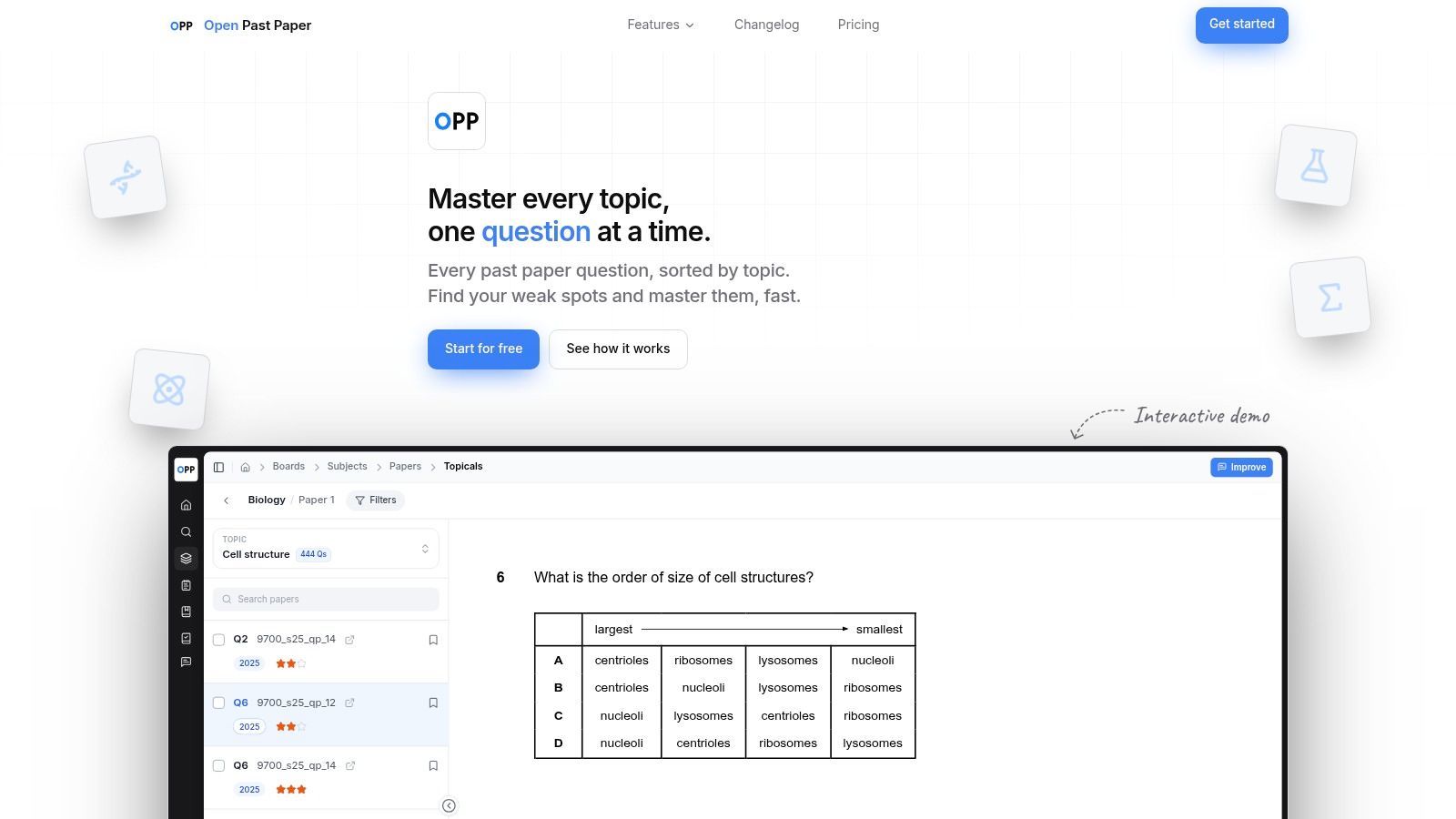
Open Past Paper is better suited to targeted question practice than to downloading a conventional exam archive. Its Chemistry practice platform (opens in a new tab) organizes Cambridge A-level questions by topic and exam sitting, with topic and subtopic browsing, filters, question-level mark schemes, and custom-paper tools. That structure can help you focus on a weak area instead of repeating a whole paper when you only need to practise one topic.
Use topic filters with care
Topic grouping is useful after you've identified the gap. Filter for the relevant area, attempt questions without notes, and use the question-level marking guidance to check your response. Questions tagged with a paper and year also give you context that a topic-only worksheet may lack.
Coverage varies by board and subject, so verify that the Chemistry material matches your syllabus and paper. Some features are premium, and the platform says its AI-generated difficulty ratings may be inaccurate. Don't use a difficulty label as a substitute for checking the question itself or deciding whether it reflects the level of your course.
Open Past Paper's topical approach is a complement to full official papers, not a replacement for them. For additional guidance on finding and using university exam materials, read CramShare's guide to university past papers. Keep the current syllabus in view even when a platform makes it easy to assemble a custom set.
10. MIT OpenCourseWare Principles of Chemical Science
For introductory university Chemistry practice, MIT OpenCourseWare's Principles of Chemical Science exams provide course exams alongside course-specific instructions and wider learning context. The materials are freely available online and can offer extra practice beyond school qualification papers.
University questions are not board papers
MIT OpenCourseWare isn't an exam-board archive. Its exams may not match your school syllabus, course level, instructor's assessment style, or the structure of your qualification. Use them to stretch your understanding of general Chemistry, not as a direct prediction of what will appear on a GCSE, IGCSE, A-level, or AP exam.
Check the exam instructions before attempting a paper, and use your course materials to confirm the expected content. Answer keys may not be supplied for every course, so don't rely on an unavailable solution to tell you whether your reasoning is sound. For qualification practice, return to your own board's papers and mark schemes.
This resource is most useful when you're taking an introductory university course or want problems in a broader course context. Keep it separate from board-specific revision so you don't mistake an interesting extension question for a requirement of your current syllabus.
Comparison of 10 Chemistry Past Paper Resources
Build a Smarter Chemistry Revision Routine
Choose your primary resource by qualification. Start with the official exam-board archive for AQA, OCR, Edexcel, Cambridge International, or AP Chemistry, and confirm the syllabus or specification before downloading a paper. For university courses, search by course code, module, and academic year; a subject label alone isn't enough to establish that a resource matches your class.
Use a full paper when you need to practise the complete exam experience. For revision on a specific topic, switch to a topical question collection such as PMT or Open Past Paper, while checking that the questions align with your syllabus. MIT OpenCourseWare can provide additional university-level practice, but it isn't a substitute for qualification-specific papers.
Mark your work against the matching mark scheme, then read the examiner report when one is available. Don't treat a lost mark as one undifferentiated problem. Record whether the error came from a concept, calculation, units, chemical language, or interpretation, and use that diagnosis to decide what to revise next.
Retrieval practice is more useful when students make an honest attempt before looking at answers. In a study of 146 introductory-chemistry students, those who completed more than half of post-exam retrieval quizzes scored more than half a letter grade higher on the cumulative final than those who completed fewer than half; the researchers found no significant difference in earlier exam scores between the participation groups (chemistry-education study). That finding comes from one university course, so use it as a reason to practise consistently, not as a promised result.
After marking, record what went wrong, review the relevant material, and return to comparable questions after a delay. This is more informative than rereading a mark scheme without trying the question again. A past paper should help you find what to do next, not just tell you how many marks you got.
Check access and copyright before saving or sharing materials. Use officially released papers where possible, follow your institution's rules, and don't upload restricted or copyrighted files without permission. If you use an AI tool for hints, attempt the question independently first and verify any suggested calculations, units, structures, and explanations against authoritative course materials. Treat generated answers as something to check, not as a marking authority.
- For official exam alignment: Start with the paper and marking resources published by your own board.
- For targeted practice: Use topic filters or question collections after you've identified a specific weakness.
- For course-specific university resources: Search by course code, module, institution, and academic year, then check the preview and syllabus match.
A disciplined cycle, diagnose, practise, mark, correct, and retest, makes each paper more useful than passive repetition. Keep your materials organized by qualification and year, and use each mistake to guide your next revision session.
CramShare offers a course-focused library of Chemistry study materials, past papers, and practice resources that you can search by course code, module, institution, and academic year. Check the course details and document preview against your syllabus, then visit CramShare to find materials suited to your course.